
Most people go into their attic twice a year, at Christmas and when something is missing. It is hot, awkward and full of insulation, so it gets ignored — and it is doing more to the air in your house than any other part of the building.
What a bad attic actually does
Two things, and they compound.
1. It sends moisture down into your house
Attic air in a South Louisiana summer is extremely hot and carries a great deal of moisture. If the attic is not ventilating — if the intake and exhaust are not working as a system — that air has nowhere to go, so it sits.
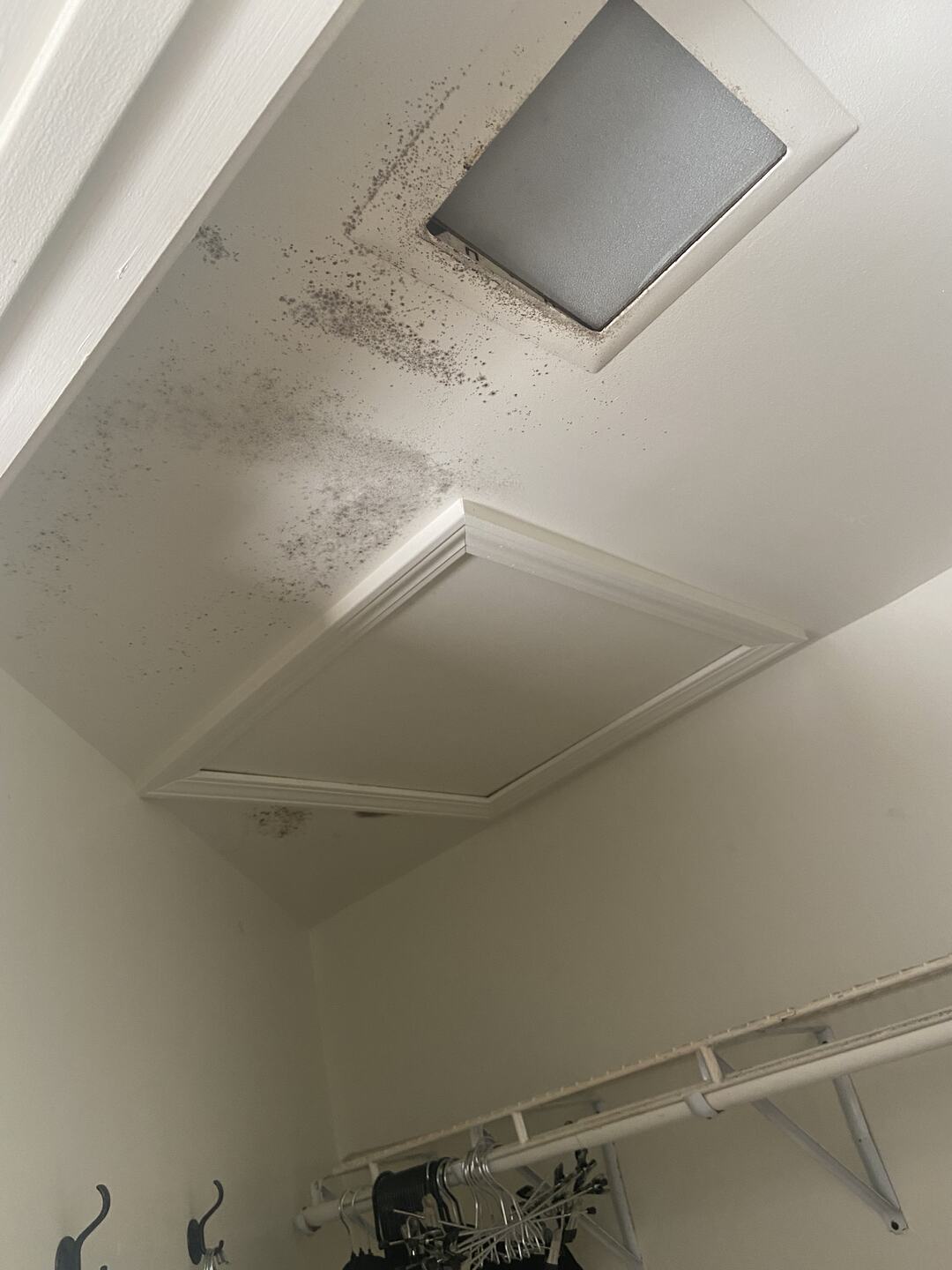
It does not stay up there. Warm air moves, ceilings are not sealed the way people imagine, and every recessed light, vent boot, attic hatch and gap around a pipe is a path. That moisture works down into the rooms below and raises the humidity of the whole house.
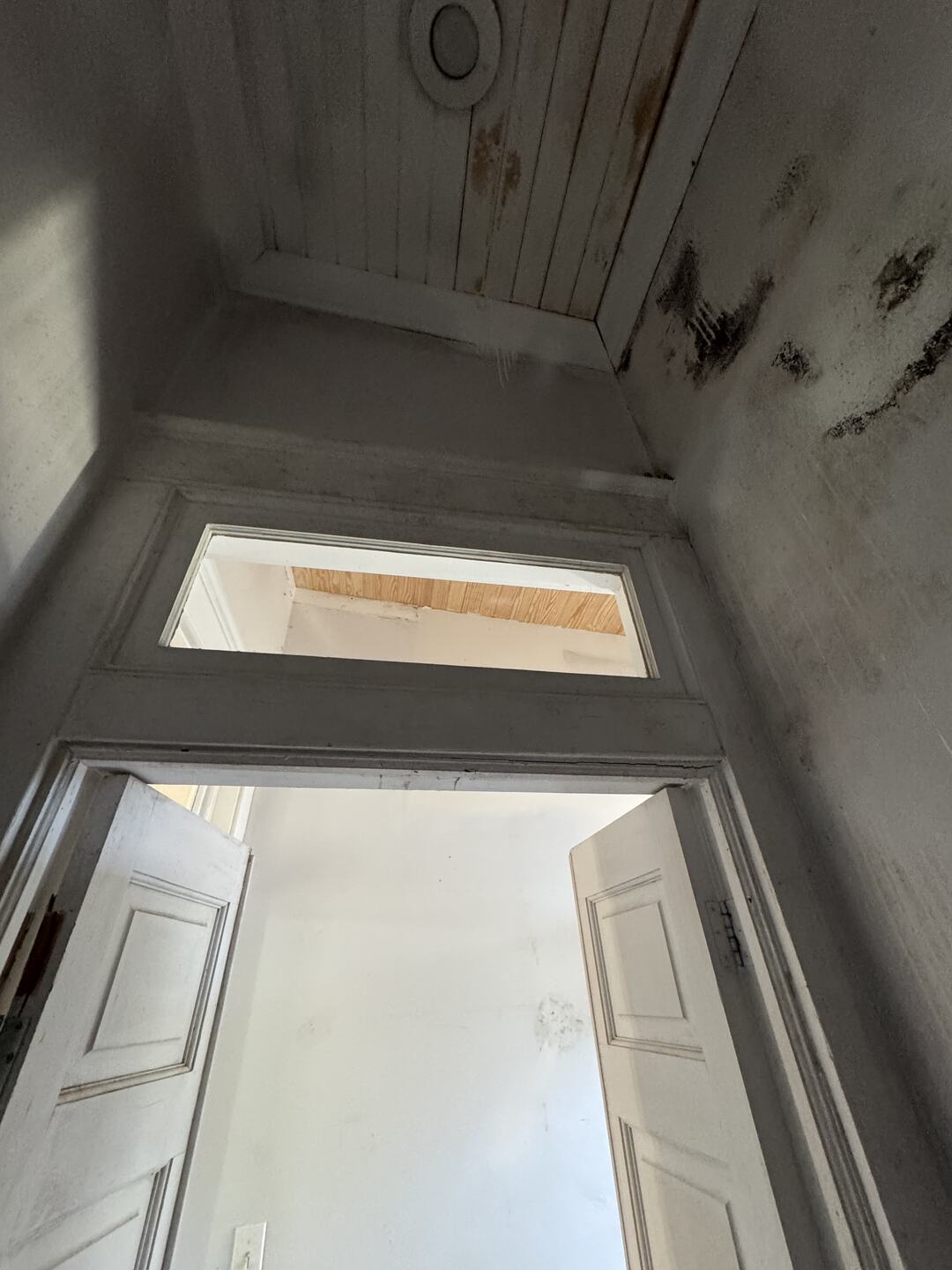
This is why mold can appear in a house with no leak anywhere. The water is not coming from a pipe. It is coming from above your ceiling.
2. It stops your air conditioner working properly
This is the part that gets missed, and in many houses it is the bigger problem.
How hot is too hot: a working attic stays within 10–15°F of the outdoor temperature, and 20°F is the most it should ever be. Past that, the ventilation is not doing its job. On a 95°F Louisiana afternoon that means roughly 105–115°F in a healthy attic. An attic with no real ventilation will sit at 140 to 150°F.
That is a number you can check yourself with a cheap thermometer, and it is more reliable than a fixed figure because it holds on a mild day as well as a hot one.
A great many air conditioning systems here live in the attic, along with the ductwork. When that attic runs extremely hot:
- The equipment is working inside an oven — conditions it was never sized for
- Cold ducts sit in hot humid air, which is a condensation problem by design. You get sweating on the outside of the ductwork and wet insulation
- The system struggles to keep up, and a system struggling to keep up is a system cooling without properly dehumidifying
So a hot attic can cause the exact air conditioning symptoms people spend money chasing. We have watched homeowners replace a functioning unit because nobody looked in the attic first.
The order matters
If the attic is driving the problem, correcting the air conditioning alone will not solve it. The new system is going to sit in the same oven.
Fix the attic and, in a fair number of houses, the air conditioning problem improves without touching the equipment.
Signs your attic is the problem
- Mold in more than one room, with no leak anywhere
- Upstairs rooms that never cool properly, or the upstairs is always worse
- Indoor humidity consistently above 60% despite the AC running constantly
- A musty smell strongest near ceiling vents or an attic hatch
- Dark staining on the underside of the roof decking, or on the framing
- Wet, matted or discolored insulation
- Rusted nail points coming through the decking — a sign of repeated condensation
- An attic that is startlingly hot even early in the morning
Check it yourself in five minutes
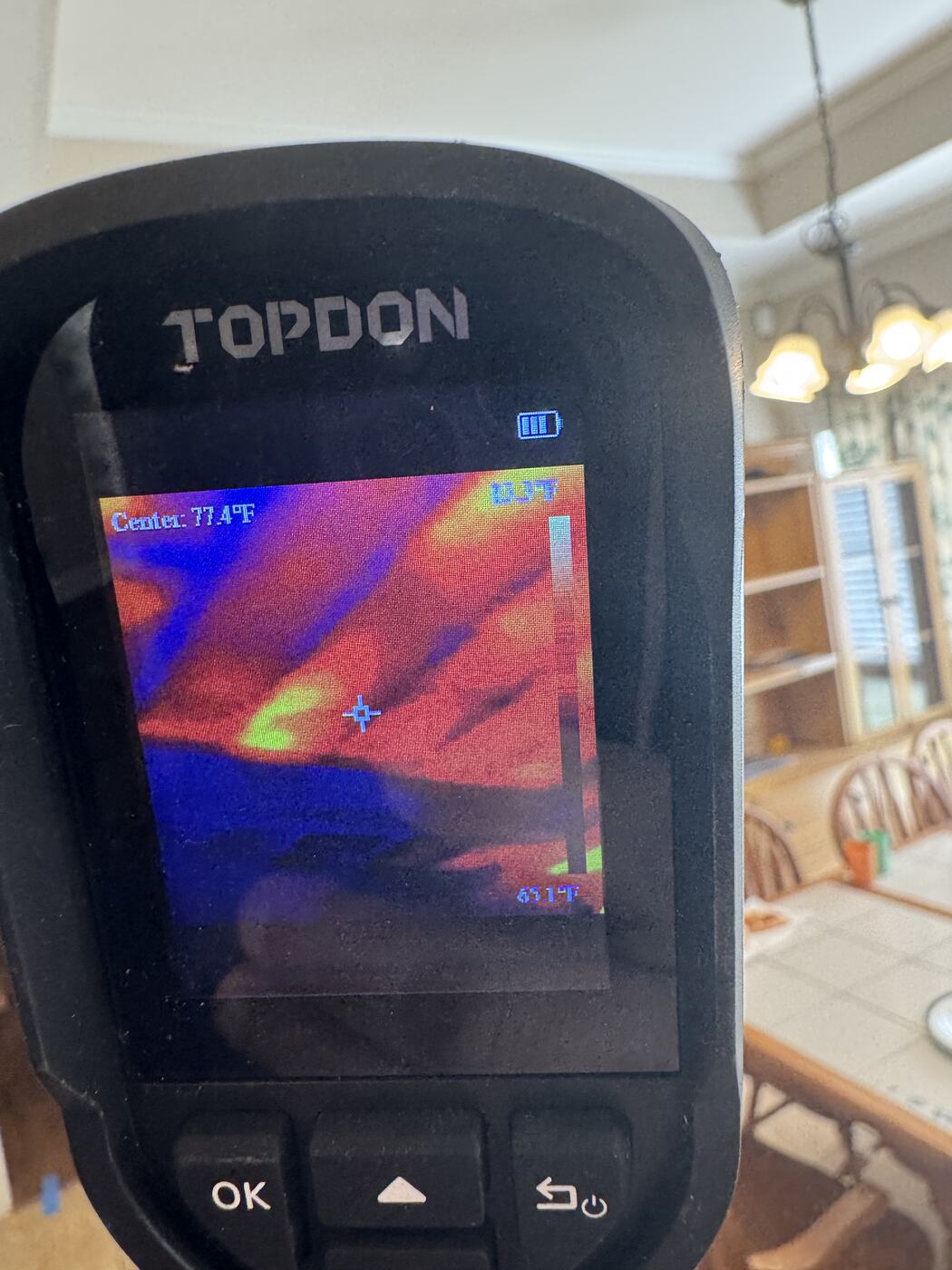
Put a thermometer in the attic and one outside in the shade, and read them both in the afternoon.
Within 10–15°F of each other: the ventilation is working.
More than 20°F apart: it is not, and that is worth doing something about.
140°F or above: the attic has effectively no ventilation, and it is affecting the air conditioning as well as the humidity in the house.
What causes an attic to fail
Not enough ventilation, or the wrong kind
Attic ventilation works as a system: intake low at the eaves, exhaust high at the ridge. Both are needed. Plenty of houses have exhaust vents and effectively no intake, and the exhaust cannot pull air it has nothing to draw.
Blocked soffit vents
Extremely common and easy to miss. Insulation gets pushed into the eaves during an install or a top-up and seals the intake completely. From the ground everything looks correct.
Bathroom fans venting into the attic
A fan that discharges into the attic instead of outside is pumping shower moisture directly into the worst possible place. It is not rare, and it is one of the first things we look for.
Roof leaks nobody has noticed
Small ones, especially at flashing, that only leak in a hard wind from one direction. The staining shows on the decking long before it shows on a ceiling.
Air leaks from the living space
Gaps around recessed lights, vent boots, wiring and the attic hatch let conditioned air move upward, carrying moisture with it.
How this gets fixed
Cleaning mold off roof decking without fixing the attic is a waste of money. It will return, because nothing about the conditions has changed.
- Find out why the attic is wet and hot. Ventilation, blocked intake, a fan discharging up there, a leak, or air escaping from below.
- Remediate what is there. Growth on decking and framing is treated; contaminated insulation generally comes out.
- Correct the airflow. This is the step that decides whether it comes back.
We work with a company that does nothing but attic airflow — that is their entire trade. When the answer is a ventilation correction rather than a mold job, that gets handled properly instead of guessed at, and you are not paying us a markup on their work.
Before starting Mold Shield, our founder spent years as a superintendent for a residential homebuilder and as a project manager at a national restoration franchise. Attics are a building problem before they are a mold problem, and mold certification does not teach how a roof assembly is supposed to breathe.
Common questions
What causes mold in an attic?
Trapped heat and moisture, almost always from inadequate ventilation. Attic ventilation works as a system with intake low at the eaves and exhaust high at the ridge, and it fails when intake is blocked — often by insulation pushed into the soffits. Other common causes are bathroom fans discharging into the attic instead of outside, small roof leaks at flashing, and air leaking up from the living space around recessed lights and the attic hatch.
Can attic mold make the rest of the house moldy?
Yes, and this is the part most homeowners do not expect. Moisture from a poorly ventilated attic moves down into the living space through ceiling penetrations and raises the humidity of the whole house, which can produce mold in rooms with no leak anywhere. A hot attic also degrades air conditioning performance, so the system cools without dehumidifying properly.
Does attic mold need to be removed?
Growth on roof decking and framing should be remediated, and contaminated insulation generally has to come out. But removal alone is not the fix — if the ventilation problem that caused it is not corrected, it returns, because none of the conditions have changed.
How do I know if my soffit vents are blocked?
It usually requires going up and looking at the eaves from inside the attic. Insulation pushed into the soffit during installation or a top-up is a very common cause and is invisible from the ground. Baffles are what keep that channel open, and many houses either never had them or had them displaced.
Will fixing the attic help my air conditioning?
Often, yes. Where the equipment and ductwork are in the attic, an extremely hot attic means the system is working in conditions it was not sized for and cold ducts are sweating in humid air. Correcting the attic can improve cooling performance and humidity control without replacing equipment — which is worth checking before anyone quotes a new system.
Should my bathroom fan vent into the attic?
No. A bathroom fan must discharge outside the building. One that terminates in the attic pumps shower moisture directly into the space least able to handle it, and it is a frequent cause of attic mold.